Large-Scale Sulfuric Acid Plant Under Construction in Navoi
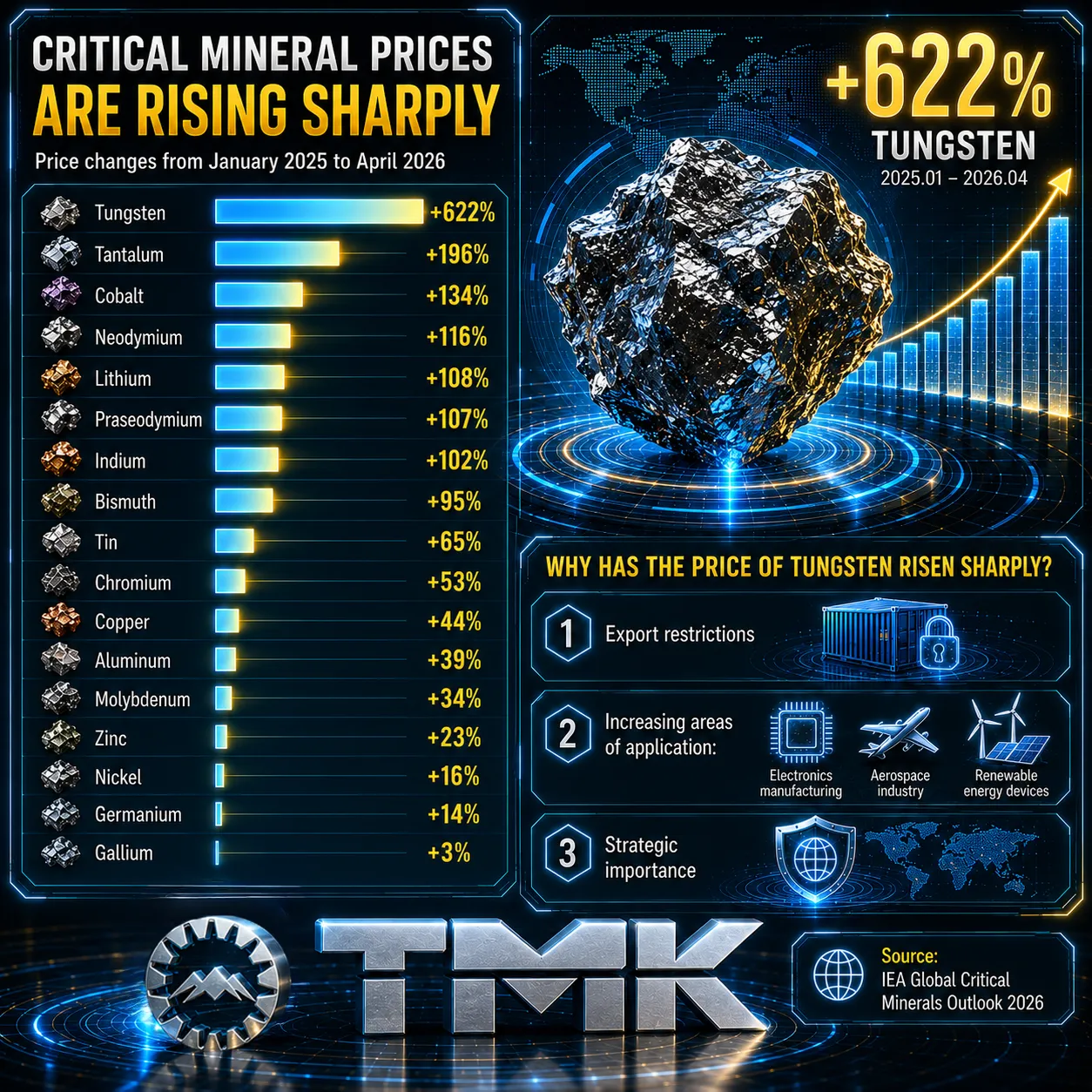
Amid growing global competition for critical minerals, sulfuric acid has become one of the most essential industrial products. It plays a critical role in the mining and processing of uranium, copper, tungsten, molybdenum, and other metals. This is why many countries are paying particular attention to expanding their sulfuric acid production capacity.
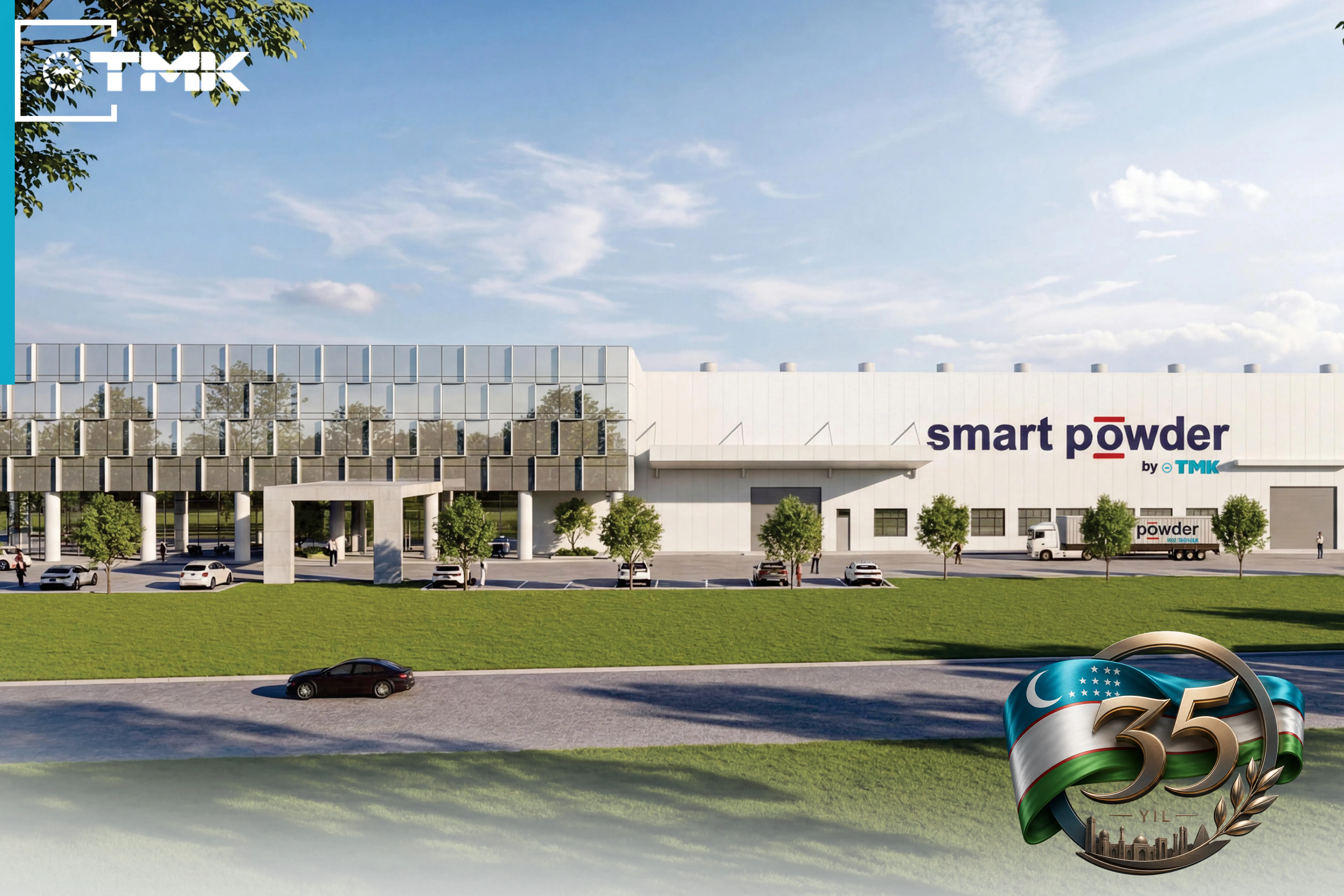
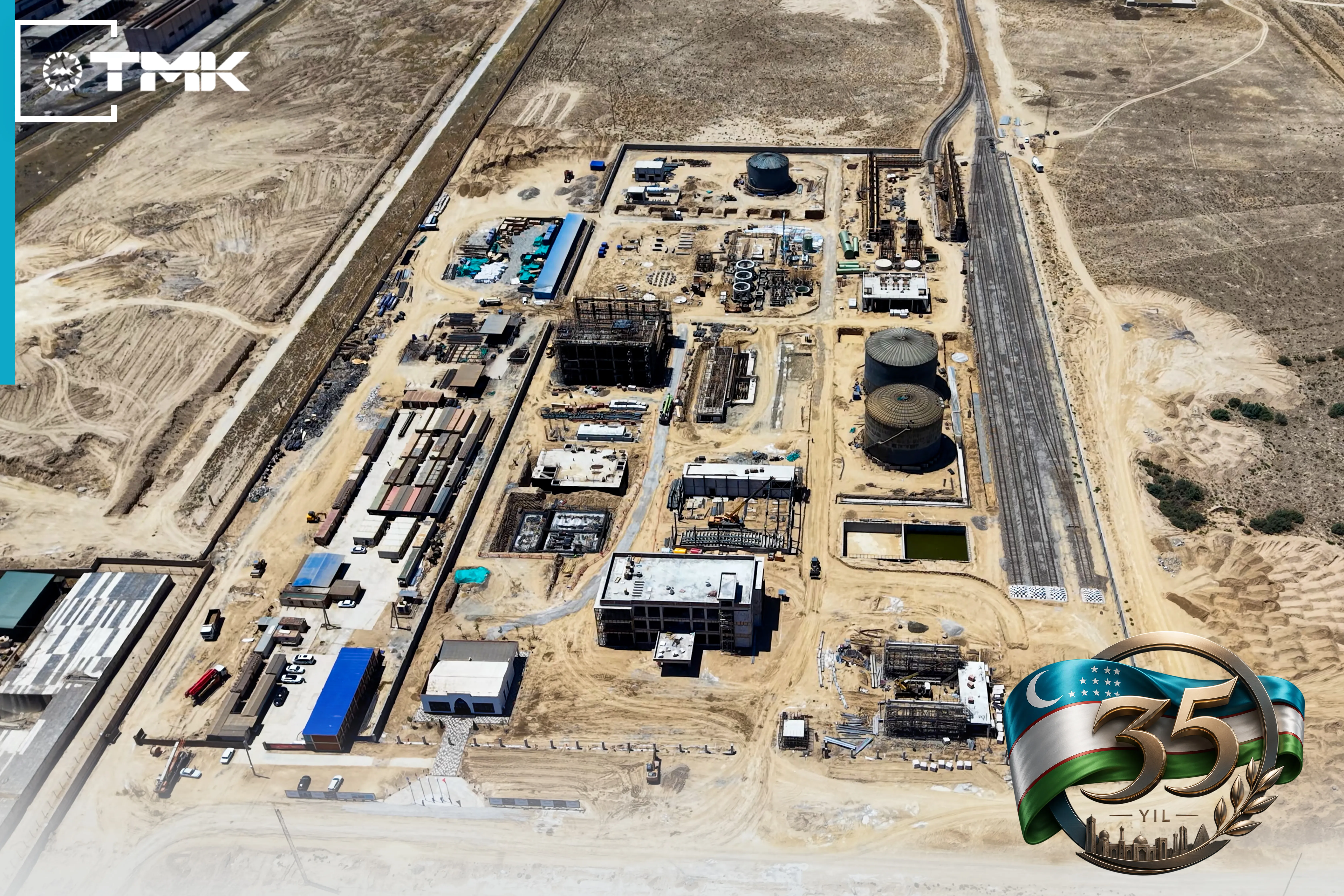
In Uzbekistan, one of the country’s major industrial projects—TMK Chemicals, a project of the Uzbekistan Technological Metals Complex (TMK)—is scheduled to be commissioned to mark the 35th anniversary of Uzbekistan’s Independence. The modern sulfuric acid production facility is being built on a six-hectare site in the Karmana district of the Navoi region.
The plant will have an annual production capacity of 500,000 tons of sulfuric acid. It will help meet domestic demand, establish a stable feedstock base for the mining and metallurgical industry, support import substitution, and expand the country’s export potential.
Why Is Sulfuric Acid Strategically Important?
Sulfuric acid is one of the most widely produced industrial chemicals in the world. Some economists assess a country’s level of industrial development based on its sulfuric acid production volumes.
It is a key reagent in the following sectors:
• uranium mining and processing;
• beneficiation of non-ferrous and rare metals;
• hydrometallurgy;
• production of mineral fertilizers;
• dozens of other areas of the chemical industry.
Growing demand for electric vehicles, renewable energy, and critical minerals continues to increase the global need for sulfuric acid.
A Project Based on Advanced Technologies
The total cost of the project is USD 54.5 million. Construction is being carried out in cooperation with CITIC Construction, one of the world’s leading engineering companies.
At the plant, technical-grade sulfur will be processed into high-purity sulfuric acid using advanced technologies. The fully automated production system will optimize the use of heat and gas flows, improve energy efficiency, and ensure a high level of environmental safety.
In addition, the facility will be capable of generating 152 million kWh of electricity annually.
New Opportunities for the Regional Economy
The project will not only increase industrial output but also provide a significant boost to the region’s socioeconomic development.
Once the plant is commissioned, 220 new permanent jobs will be created, contributing to higher local employment, the training of qualified specialists, and increased household incomes.
TMK Chemicals has already completed the construction of a 2.5-kilometer railway spur to serve the facility. This infrastructure will ensure the timely transportation of finished products throughout Uzbekistan and to other Central Asian countries.
Industrial Development as a Driver of Economic Growth
According to projections, the value of the plant’s output will gradually increase following its launch:
• USD 7.5 million in 2026;
• USD 27 million in 2027;
• more than USD 30 million annually from 2028 onward.
Tax revenues to the state budget are also expected to increase:
• UZS 4.9 billion in 2026;
• more than UZS 8.6 billion annually from 2027 onward.
The launch of the plant, with an annual production capacity of 500,000 tons of sulfuric acid, will further strengthen the industrial value chain linking Uzbekistan’s mining, metallurgical, and chemical sectors. Focused on the deep processing of domestic raw materials, the production of import-substituting goods, the expansion of export potential, and the creation of high-value-added products, the project will become one of the country’s landmark industrial facilities commissioned to mark the 35th anniversary of Uzbekistan’s Independence.