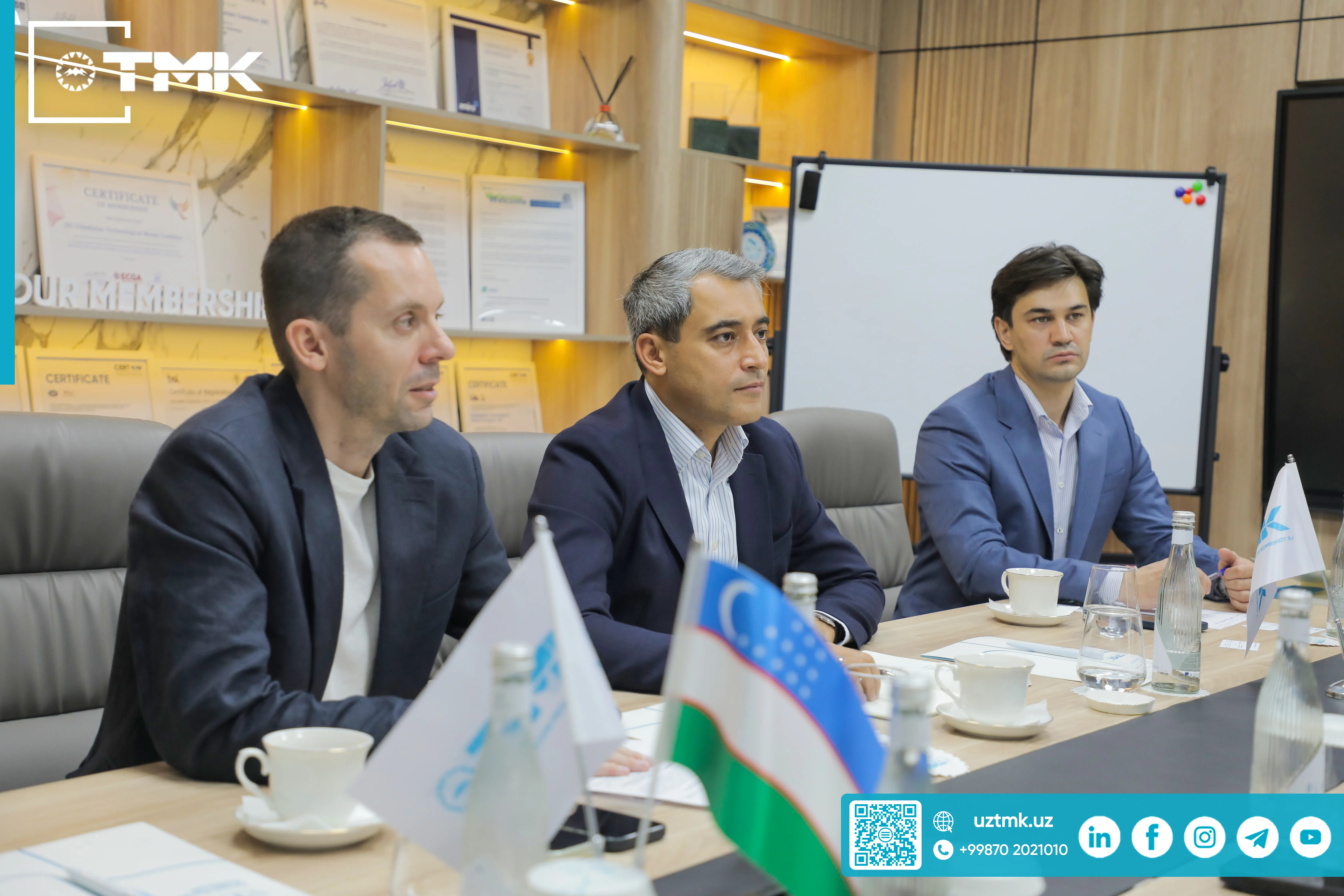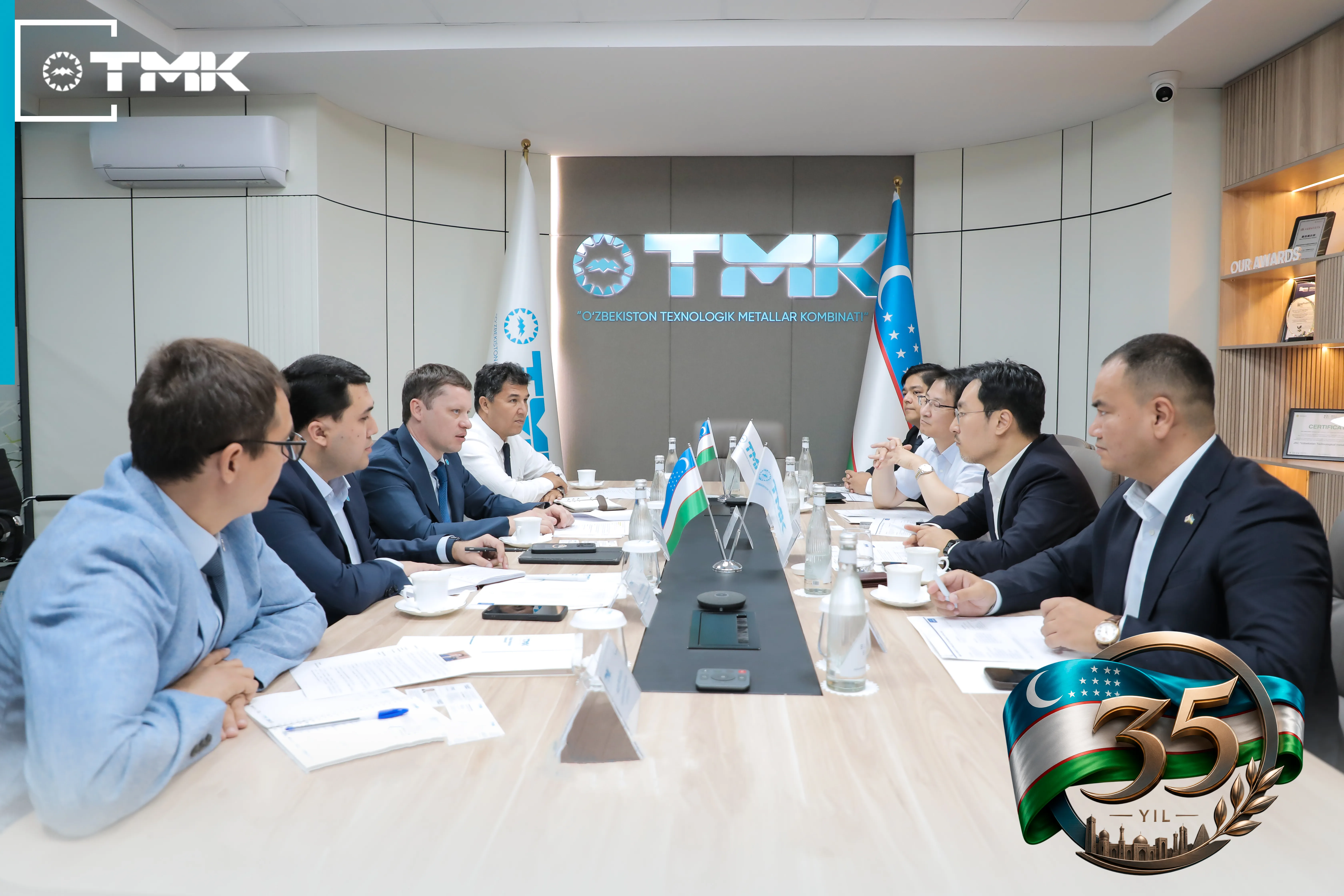
A meeting was held at the head office of the Uzbek Technological Metals Complex (TMK) with a delegation led by Mr. Lee Kwang-hyung, Vice President of the Korea Advanced Institute of Science and Technology (KAIST) —one of the world's leading science and technology universities.
During the meeting, the parties reviewed prospects for cooperation in the fields of critical minerals, artificial intelligence, smart metallurgy, and advanced processing technologies. Special attention was given to KAIST's experience in enhancing the work of scientific councils and effectively establishing an integrated "science-education-production" chain.
Why KAIST?
➡️ It is a global leader in artificial intelligence, robotics, semiconductors, new materials, energy, biotechnology, and space technologies;
➡️ It engages in scientific and technological cooperation with global industrial giants such as Samsung, Hyundai, LG, SK Group, and Hanwha;
➡️ It regularly features among the world's top universities in the QS World University Rankings and Times Higher Education rankings;
➡️ It holds an extensive portfolio of international patents and has a well-established innovation ecosystem that ensures the implementation of scientific developments in industry and their subsequent commercialization.
During the talks, representatives from TMK and KAIST discussed several promising areas:
➡️ The development of intelligent sensor technologies for the mining and metallurgical industry;
➡️ The deep processing of critical metals and the development of circular economy solutions;
➡️ The implementation of real-time digital monitoring systems for production processes using artificial intelligence technologies.
Additionally, the parties considered the possibility of implementing joint research projects aimed at developing highly efficient technologies for extracting lithium from mineral raw materials, as well as for recycling lithium-ion batteries.
The cooperation between TMK and KAIST could become an important milestone in the integration of science, education, and industry, the introduction of advanced technologies, and the further development of Uzbekistan's scientific and industrial potential.